Best Times for Balcony Repairs
Balcony repairs are best scheduled during periods of mild weather to ensure safety and quality. Optimal conditions typically include dry, warm days with low humidity, which facilitate proper curing of materials and prevent delays caused by adverse weather. Timing can also depend on regional climate patterns, with late spring and early fall often being ideal in many locations.
Spring offers moderate temperatures and longer daylight hours, making it suitable for balcony repairs before the heat of summer or cold of winter.
Early fall provides cool, dry weather ideal for repairs, allowing work to be completed before colder months set in.
High summer temperatures can affect the curing process of sealants and paints, making repairs less durable.
Winter is generally unsuitable due to cold temperatures, snow, and increased moisture, which hinder proper repair conditions.
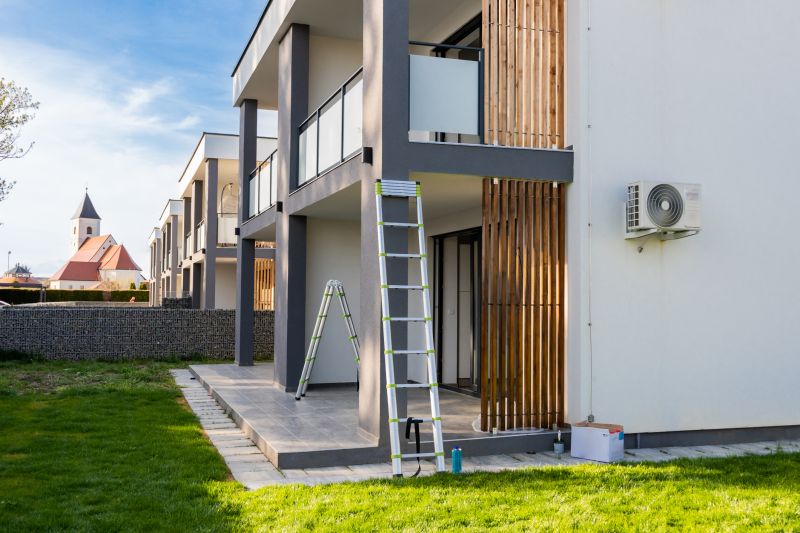
A balcony undergoing repairs during spring with clear skies.
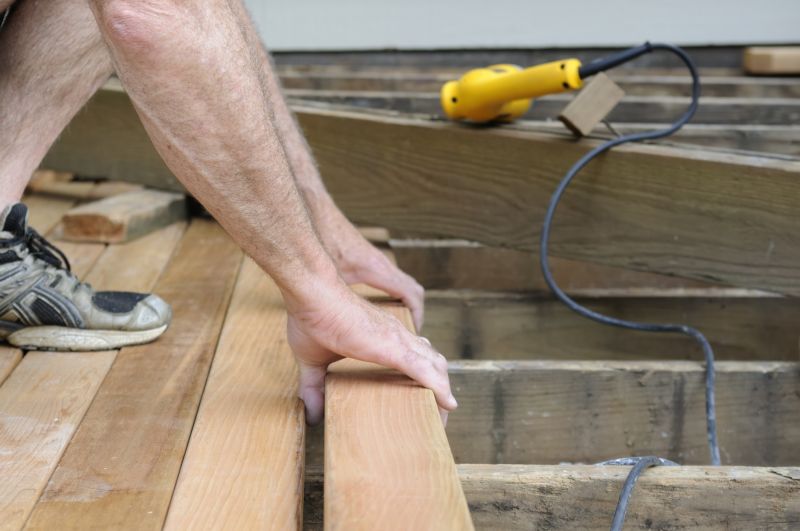
A worker sealing a balcony in autumn weather.
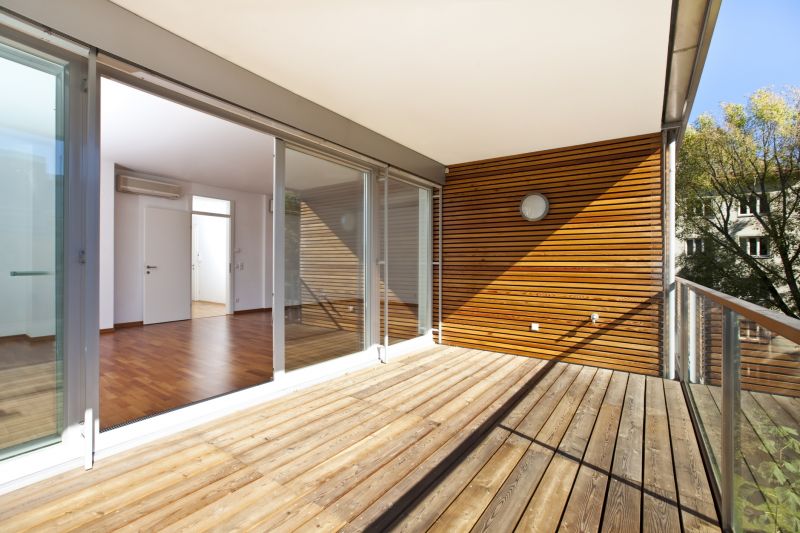
Close-up of balcony surface preparations in dry conditions.
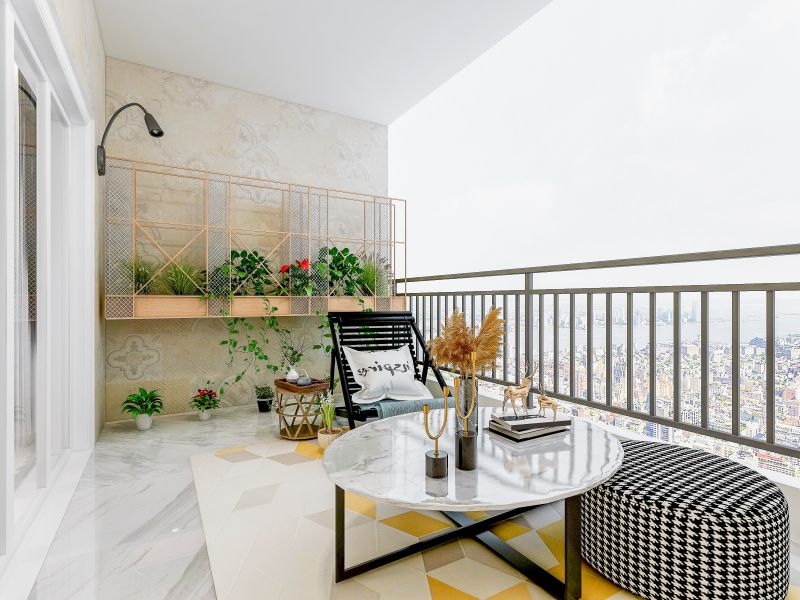
Ways to make Balcony Repairs work in tight or awkward layouts.
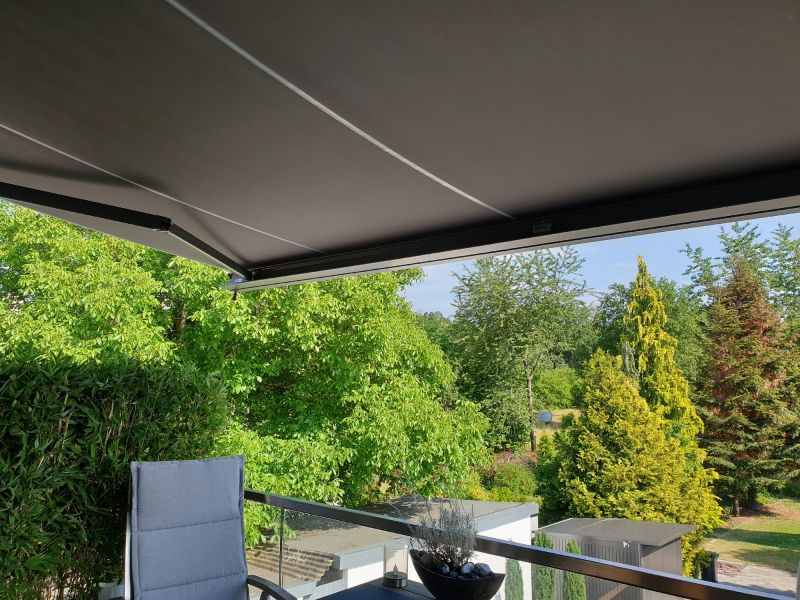
Popular materials for Balcony Repairs and why they hold up over time.
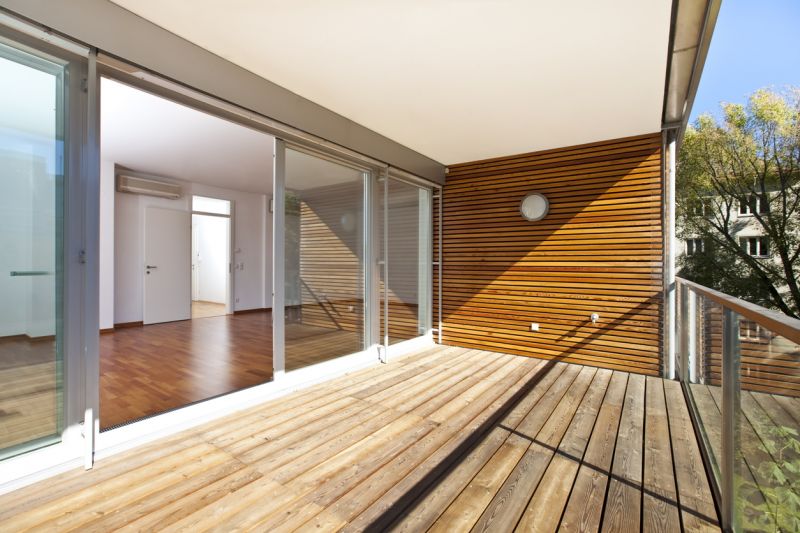
Simple add-ons that improve Balcony Repairs without blowing the budget.
Balcony repairs are essential for maintaining structural integrity and safety. Proper timing ensures that materials such as sealants, paints, and structural components cure correctly, extending the lifespan of the balcony. Statistics indicate that scheduling repairs during optimal weather conditions can improve durability by up to 30%, reducing long-term maintenance costs.
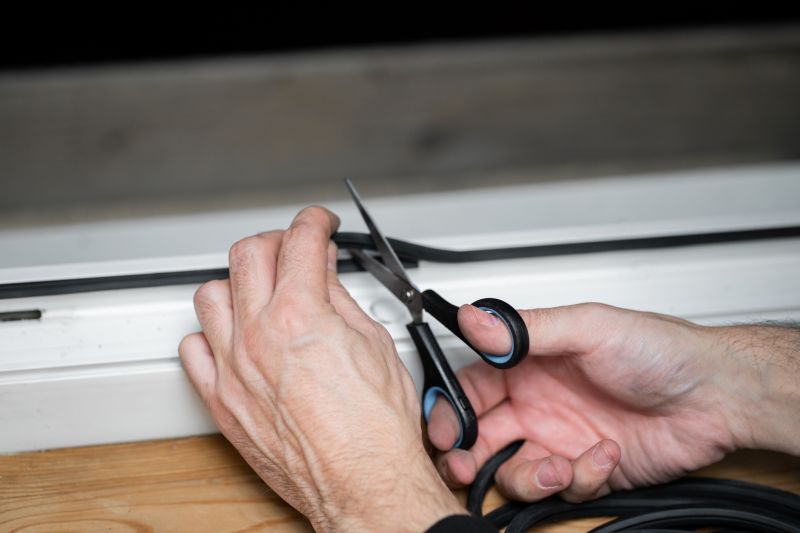
Close-up of repair sealants applied on a balcony.
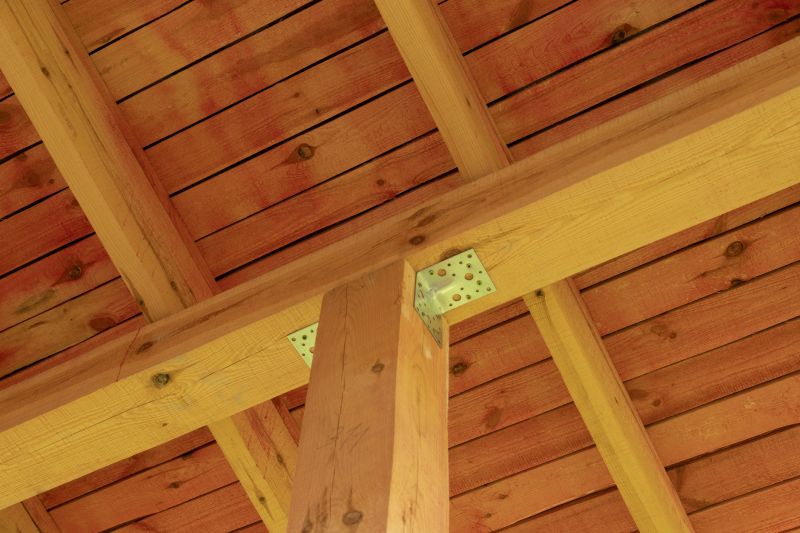
Inspecting balcony beams before repairs.
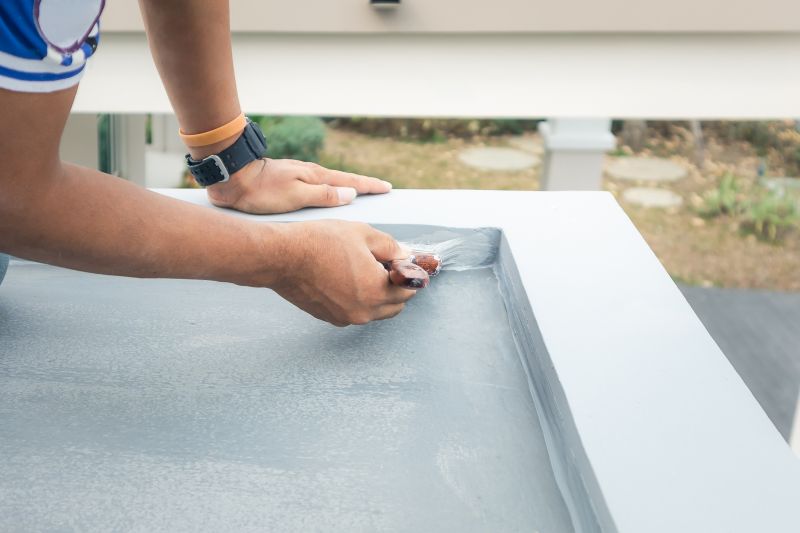
Cleaning balcony surfaces prior to sealing.
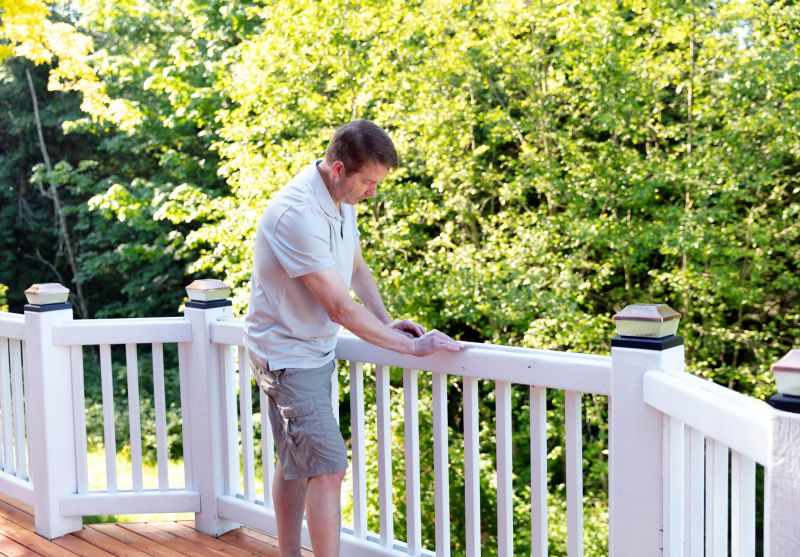
Applying protective coating on balcony railings.
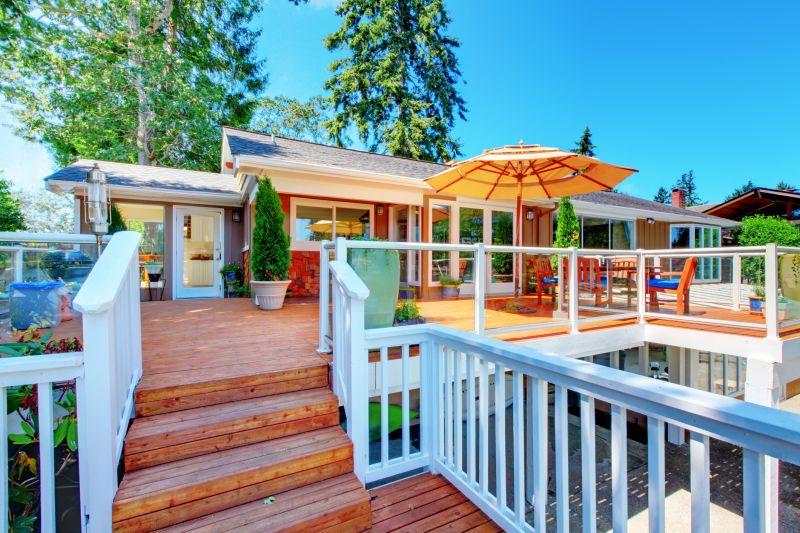
High-end options that actually feel worth it for Balcony Repairs.
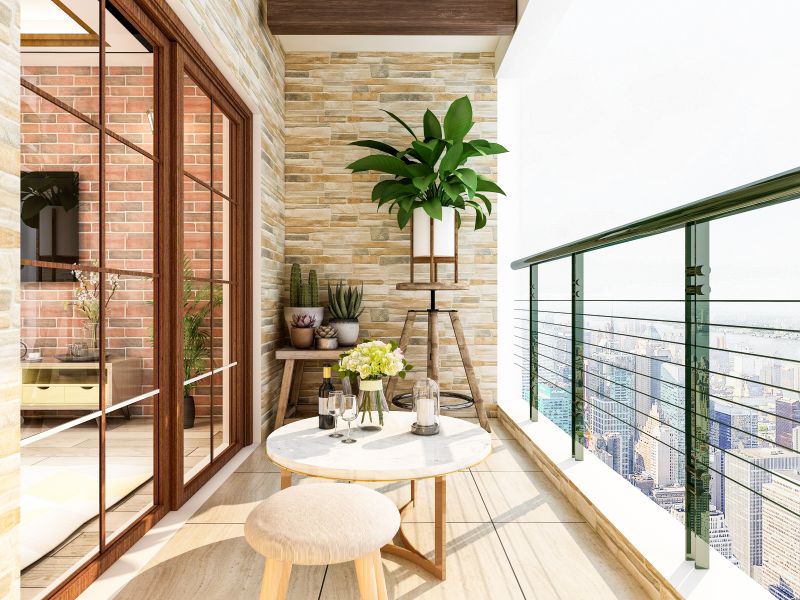
Finishes and colors that play nicely with Balcony Repairs.
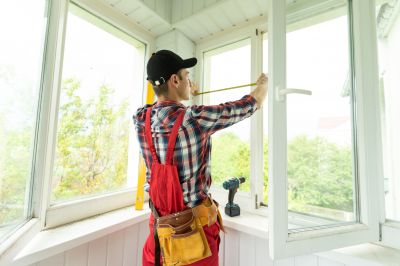
Little measurements that prevent headaches on Balcony Repairs day.
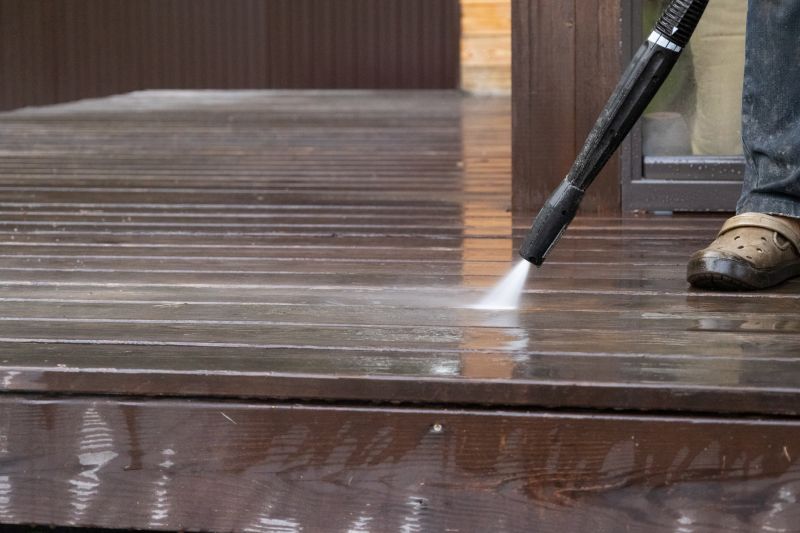
A 60-second routine that keeps Balcony Repairs looking new.
| Season | Optimal Repair Conditions |
|---|---|
| Spring | Moderate temperatures, dry weather, longer daylight |
| Early Fall | Cool, dry, stable weather, before colder months |
| Summer | High temperatures and humidity can impair curing |
| Winter | Cold, snow, and moisture hinder repair processes |
| Regional Variations | Depends on local climate patterns |
Choosing the right time for balcony repairs can significantly influence the durability and quality of the work. Planning repairs during favorable weather minimizes delays and ensures materials set properly. Consulting local weather patterns and seasonal trends is recommended for optimal results.
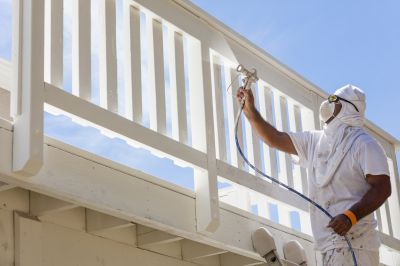
Worker sealing balcony joints in spring.
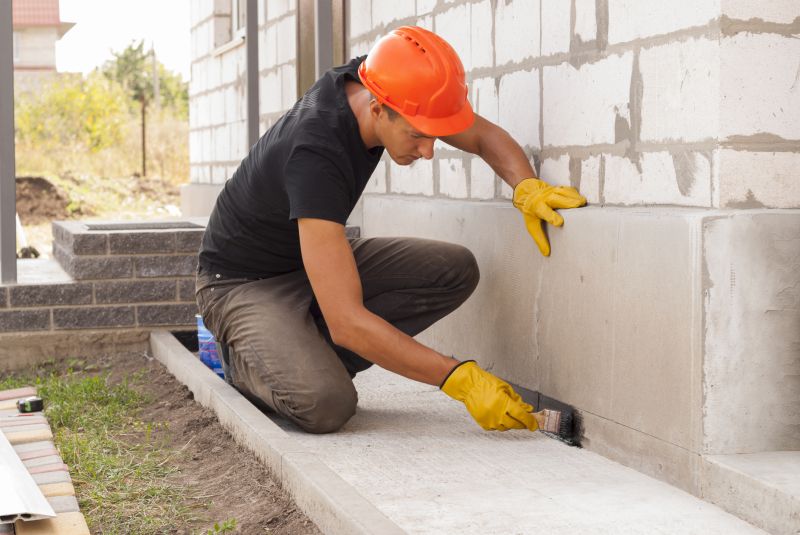
Applying protective sealant during autumn.
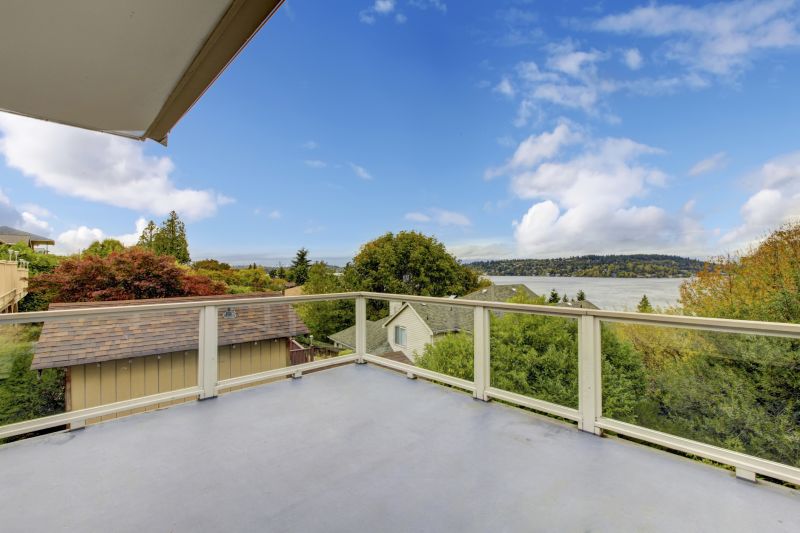
Balcony surface being prepared on a dry day.
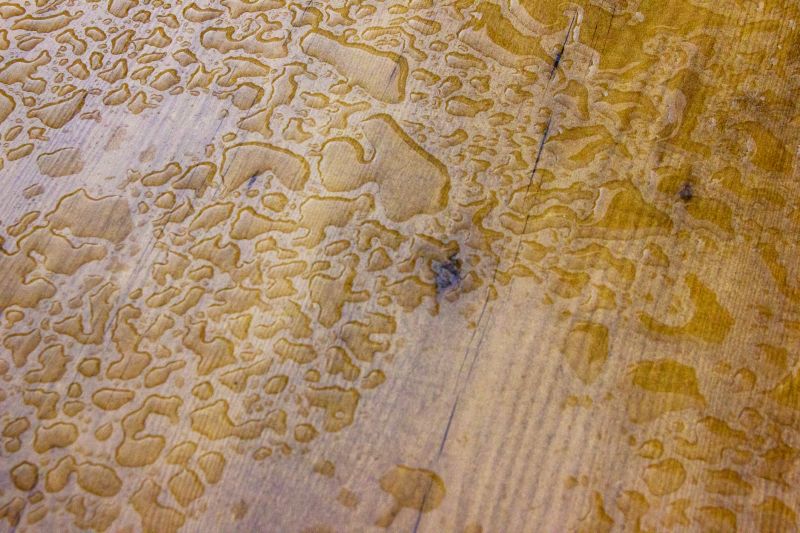
A frequent mistake in Balcony Repairs and how to dodge it.
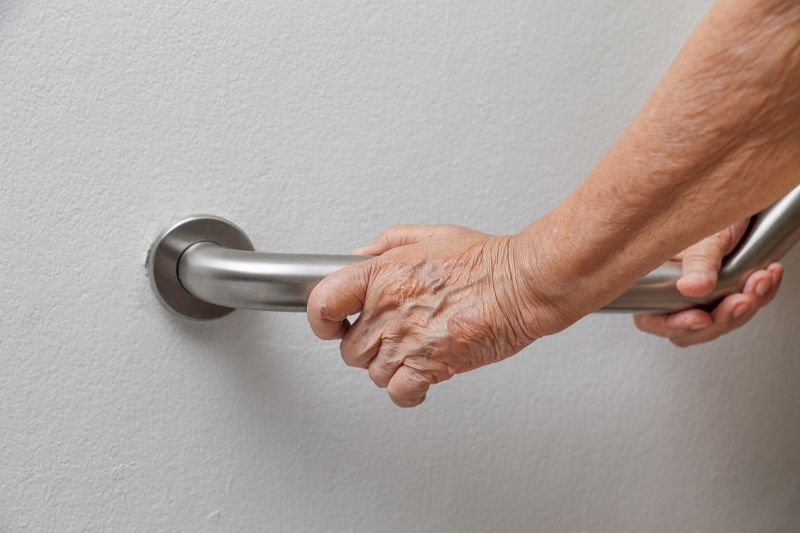
Small tweaks to make Balcony Repairs safer and easier to use.

Lower-waste or water-saving choices for Balcony Repairs.
Interested in scheduling balcony repairs? Filling out the contact form can provide more information on the best timing and options available for specific needs. Proper planning ensures a durable and lasting renovation.